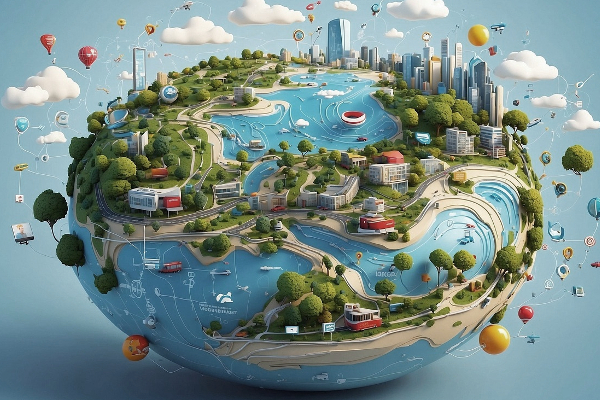
Digital spaces are increasingly reflecting the rhythms and identities of physical regions. Scholars of cultural geography have noted that online communities often adopt characteristics of real-world places, from language and humor to time zones and local interests. This phenomenon is reshaping how people perceive belonging in virtual environments, creating what some researchers describe as “digital geographies.”
Travel groups, local history forums, and regional fandom servers illustrate this trend vividly. These communities attract participants across continents, yet they often feel rooted in specific places. For example, a Discord server dedicated to regional folklore may draw members from abroad who want to experience the cultural flavor of a particular area. The presence of Offline Discord members ensures that conversations appear active around the clock, giving the impression of a global village sustained by regional identity.
Virtual Migration and Belonging
Migration has long been a central theme in geography, but digital migration is now equally significant. People move between online communities much like they relocate between cities. A study published by the Oxford Internet Institute highlights that users often join servers based on cultural affinity rather than technical interest. This mirrors traditional migration patterns, where individuals seek communities that reflect their values, language, or traditions.
In fandom spaces, for instance, regional identity plays a strong role. Anime communities in Latin America often emphasize Spanish-language memes and local humor, while European gaming servers may prioritize multilingual communication to accommodate diverse participants. These subtle cultural markers create a sense of place, even in a digital environment.
Time Zones as Cultural Borders
Time zones are another way digital communities develop geographic identities. Research from the Pew Research Center shows that online activity peaks according to regional schedules, with North American users most active in the evening and Asian users dominating early morning hours. Communities that span multiple regions often appear to operate continuously, thanks to members logging in from different parts of the world. This creates the illusion of perpetual activity, reinforcing the idea of a “global city” within digital platforms. For a deeper look at the global importance of time zones, it becomes clear how these temporal boundaries shape both offline societies and digital communities.
For travel groups, this constant engagement is particularly valuable. A user in Europe may post about a hiking trail at dawn, while someone in Asia responds with advice during their evening. The result is a seamless exchange of knowledge across borders, blurring distinctions between local and global participation.
Regional Humor and Language
Language and humor are powerful tools in shaping digital geography. According to Linguistic Society of America, online communities often adopt regional slang and idioms, which become markers of identity. A server dedicated to New York history might feature jokes about subway delays, while a Midwest travel group could highlight local food traditions. These cultural references anchor digital spaces in specific places, even when participants are scattered worldwide.
Such linguistic practices also serve as gateways for outsiders. People unfamiliar with a region may learn its cultural nuances through participation, effectively experiencing a form of virtual immersion. This process resembles cultural exchange in physical migration, where newcomers adapt to local customs while contributing their own perspectives.
Local Interests in Global Forums
Communities centered on local history or regional interests often attract global audiences. For example, a Discord server dedicated to Scottish castles may include members from Asia, North America, and Africa, all drawn by fascination with heritage. Experts from the Historic Environment Scotland organization note that digital platforms have expanded access to cultural heritage, allowing people worldwide to engage with regional narratives once limited to local populations.
These communities function as digital museums, preserving and sharing cultural identity across borders. They also foster dialogue between locals and outsiders, enriching understanding of regional traditions while reinforcing the geographic identity of the group.
Digital Geography and Identity Formation
The concept of digital geography extends beyond simple participation. It involves identity formation, where individuals align themselves with communities that reflect their cultural or regional preferences. Sociologists at University College London argue that online spaces are becoming “identity laboratories,” allowing people to experiment with belonging in ways not possible offline. By joining a regional fandom or history group, users adopt aspects of that identity, even if they have never visited the physical location.
This blending of digital and physical identity underscores the importance of cultural geography in understanding online communities. Just as cities develop reputations based on culture, digital communities cultivate reputations tied to regional identity. These reputations attract new members, reinforcing the cycle of growth and belonging.
The Role of Continuous Participation
One striking feature of digital communities is their apparent continuity. Even when local members log off, others from different regions keep the conversation alive.
This dynamic resembles the functioning of global cities, where activity never ceases. Synonyms for offline participants, such as “inactive members” or “lurkers,” highlight the importance of presence, whether visible or invisible. Their role ensures that communities maintain the appearance of constant engagement, strengthening the perception of geographic identity.
For platforms like Discord, this continuity is crucial. It sustains the impression of vibrancy, encouraging new users to join and existing members to remain active. The interplay between local identity and global participation creates a unique form of digital belonging, one that mirrors the complexity of physical geography.
Looking Ahead
As digital communities continue to evolve, their geographic identities will likely become more pronounced. Advances in technology, such as real-time translation and immersive virtual environments, will further enhance the sense of place in online spaces. Researchers at the World Economic Forum predict that virtual migration will increase as people seek communities that reflect their cultural values, regardless of physical location.
The blending of digital and physical geographies raises important questions about identity, belonging, and cultural preservation. Will online communities eventually rival physical regions in shaping cultural identity? Or will they remain complementary spaces, offering new forms of connection while reinforcing traditional geographies? What is clear is that digital communities are no longer placeless, they are developing their own geographic identities, reshaping how people experience culture and belonging in the digital age.
Conclusion
Digital communities mirror the rhythms of real-world regions through language, humor, time zones, and local interests. They attract participants across continents, creating the illusion of continuous activity and fostering a sense of belonging rooted in geographic identity. Whether through virtual migration, regional humor, or cultural heritage, these spaces demonstrate that geography remains central to human connection and even in digital form. As inactive participants, lurkers, and global members sustain activity, the future of online communities will continue to reflect the diversity and richness of cultural geography.