Environmental geography is a field that combines human geography with physical geography. It is the most important link between people and the natural environment. It examines the spatial dimensions of the intricate relationships between humans and their physical surroundings. Environmental geographers don’t just look at physical systems or human systems on their own. They look at how these systems affect each other, the people’s behaviors affecting the environment and vice versa. Understanding and dealing the most important problems of our time that includes resources depletion, and climate change is crucial as it seems .
The Main Parts of Environmental Geography
-
Change and Interaction Between People and Their Environment
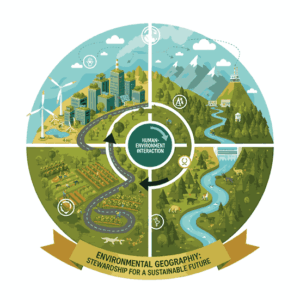
The idea of Human-Environment Interaction is at the center of the field. The environmental geographers study the influence of people on the land doings such as creating cities, farming, and building factories resulting into deforestation, loss of habitat, and worst is pollution.
-
Vital Proposal and Ways of Doing Right Things
Environmental geography combines many ways of looking at things and tools to get a complete picture:
- Political ecology: This way of looking at environmental problems goes beyond just seeing them as cause-and-effect. It looks at how political, economic, and social dynamics (power structures) make environmental problems and benefits unevenly, which often leads to problems of environmental injustice.
- Technologies for geospatial analysis: Remote Sensing and Geographic Information Systems are very important to the profession because they help geographers in collecting, visualizing, and analyzing spatial data to see the changes in environment over time and place.
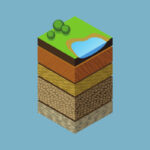
- Scale and Systems Thinking: Researchers look at environmental issues on a variety of levels, from how one sector affects its surrounds to how climate change affects the whole world. They look at the 4 layers of the earth as a whole to visualize the connection of everything and how changes in one element of the system can affect the others.
-
Dealing with Global Problems And Making Things Last
Looking for the best solutions to a sustainable future is the key goal of environmental geography. It deals with real-world problems as they’re the ones that provide geographical data and context to policymakers and planners which is needed to make good decisions.
- Climate Change Analysis: Climate change is apparent through models and maps created by Geographers this shows the rising sea levels and shifting weather patterns, or whether it puts ecosystems and populations in danger. This work helps people figure out how to deal with climate change and lessen its bad effects.
- Sustainable Development: By producing sustainable ways in managing resources, this field directly offers support to the United Nations’ Sustainable Development Goals protecting the environment, and planning cities in ways that thinking on account both health of the ecosystem and human needs.
Final Remarks
Environmental geography offers a comprehensive and meaningful perspective for examining the Earth. This is beyond a merely academic limits through a focused spatial relationships and feedback loops between nature and people. This provides effective solutions that are just socially, ecologically meaningful, and based mostly on geography. Moreover it is important in developing the knowledge and skills needed in taking care of the common resources and face the intricacies of environment of the 21st century.
Explore geographic analysis tools for decision-making