




How Climate and Geography Shape the Way Homes Are Cleaned Around the World
Humidity, heat, dust, salt, and even pollen might sound like small annoyances, but they are serious players when it comes to how quickly homes get dirty and what it takes to keep them clean. According to research on coastal home maintenance, high humidity and salt-laden air create an environment where dirt, mildew, and grime cling to surfaces faster than in dry inland regions.
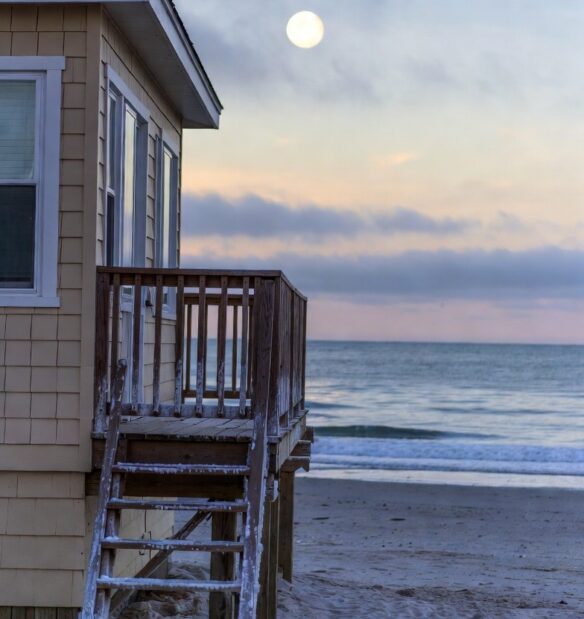
Let’s say you just finished scrubbing your porch in a coastal city. You sit down with a cold drink, thinking you’re done, only to look again an hour later and see a new film of salt and sand on your railings. That’s reality for many homeowners by the sea, and why professionals emphasize dedicated outside house cleaning routines tailored to climate. Different parts of the world present different natural “weep holes” for dirt to sneak in.
Salt, Sea Spray, and Coastal Challenge
Imagine living where each ocean breeze hands you another load of microscopic salt particles. That’s more than just a poetic line about living near the beach—sea spray is literally aerosolized ocean water that carries salts and organic matter onto every surface it touches. Salt does more than just make white streaks on your windows. Combined with humidity, it attracts moisture and acts like glue for dirt and dust.
In seaside areas, salt-laden air corrodes metal fixtures and dulls paint faster than inland climates. Windows, railings, and even outdoor furniture suffer from the corrosive mix of salt and moisture. That’s a big reason coastal properties require more frequent cleaning and special materials that can withstand constant exposure. Even inside homes, salt particles can settle on surfaces and contribute to deep scratches or degradation over time.
Heavy Rain, Humidity, and Biological Growth
In places with humid tropical climates, like parts of Florida or the southeastern United States, water isn’t just rain from the sky; it’s a gardener for biological growth. Warm, humid air feeds mold, mildew, and algae that thrive on siding, roofs, and patios. In subtropical zones, humidity above 70 percent is common and this moist environment keeps surfaces damp long enough for fungi to take hold.
Ask any homeowner in those regions and they’ll tell you: sometimes it feels like organisms grow faster than weeds in a garden. Stories abound of black roof streaks or green patches on walls that arrive within weeks of a thorough wash. The combination of warm temperatures and frequent rain creates a perfect breeding ground for persistent stains that require specialized cleaning techniques to fully remove.
Dust and Desert Winds
Travel inland and the story changes. In arid regions like the American Southwest or parts of Australia, strong winds and dust storms become the main villains. Dry landscapes unleash fine particles into the air that settle on every horizontal surface. Instead of worrying about mildew, homeowners are battling a constant layer of dust that dulls paint, clogs outdoor spaces, and makes patios look perpetually gray.
In such environments, cleaning schedules rely on frequent dust removal and sealing surfaces to prevent abrasion. Dust is like sandpaper, it may be tiny, but over time it wears down finishes and makes surfaces look old before their time. Here, water use for cleaning can be limited by drought conditions, so creative approaches like dry dusting and gentle sweeping matter more than power washing.
Temperate Climates and Seasonal Shifts
Then you have temperate regions where the climate changes with the seasons. Think of a typical summer day followed by a rainy spring and a cold winter. Each change brings its own debris: pollen in spring, mud and rain streaks in summer, fallen leaves in autumn, and possibly snow residue in winter. Each of these elements adds a layer of complexity to cleaning routines and often calls for seasonal strategies.
In the U.K. or northern Europe, for example, persistent damp winters encourage moss and lichen growth, while spring pollen sticks to walls with surprising tenacity. Homeowners in these climates start to think of exterior upkeep as a marathon rather than a sprint, always staying a step ahead of nature’s cycles. Learning more about environmental geography can give valuable insight into how these seasonal and regional factors impact homes and maintenance needs.
Planning with Environmental Awareness
Understanding the role climate and geography play in how homes accumulate dirt helps homeowners plan smarter. Rather than treating cleaning as a chore that happens when company is coming, it becomes part of a preventative maintenance strategy that protects property value, reduces long-term repair costs, and keeps living spaces healthier. Whether you’re wiping salt residue in a coastal town or dusting off desert grit, knowing what nature throws at your home changes how you respond.
So next time you’re staring down a grimy patio or streaked siding, remember that the weather isn’t your enemy; it’s just playing by its own rules. Your job is to learn them and adapt. With the right approach, your home can shrug off whatever climate throws its way and stay looking its best through every season.
In the end, cleaning isn’t just about aesthetics; it’s about understanding your environment and teaming up with nature instead of battling it in the long run. Where you live dictates how fast dirt builds up and what strategies you need to beat it, so tailor your cleaning to your climate and you’ll protect your home for years to come. Whether it’s maritime salt spray or desert dust, geography shapes our homes’ cleaning needs more than we might think and smart planning pays off.